

It’s never been easier to Learn welding at Home
There has never been more information available for anyone wanting to learn welding.
Search online and you can quickly find videos explaining MIG, TIG and MMA welding, machine settings, different joints, welding techniques and common problem you may encounter. There is a lot of content focusing on welding in 1G, 2G, 3G positions etc. All focus around welding as a career.
Beginner Welders have to take this information and interpret it as best they can into the projects they want to create.
Having access to welding information and actually learning how to weld are two different things.
At The Weld Space, we’ve taught hundreds of beginner welders through our practical workshops and standalone online courses. One thing we’ve learnt, is that beginners don’t just want information. They want a bit of guidance to give them a helping hand, understand what they are doing wrong and know what to work on next.
It’s one of the reasons we’ve been innovating and developing The Weld Space Academy, applying technogy to make learning to weld at home more accessible.
Why are people learning to weld?
Most people don't want to learn welding simply to understand the theory behind it. They want to do something with the skill.
In our Learn to Weld survey, one of our largest surveys of hobbyist welders, we asked people why they wanted to learn, what they hoped to achieve and what would help them progress. The results reinforced something we see regularly when teaching beginners at The Weld Space: welding is usually the means to an end.
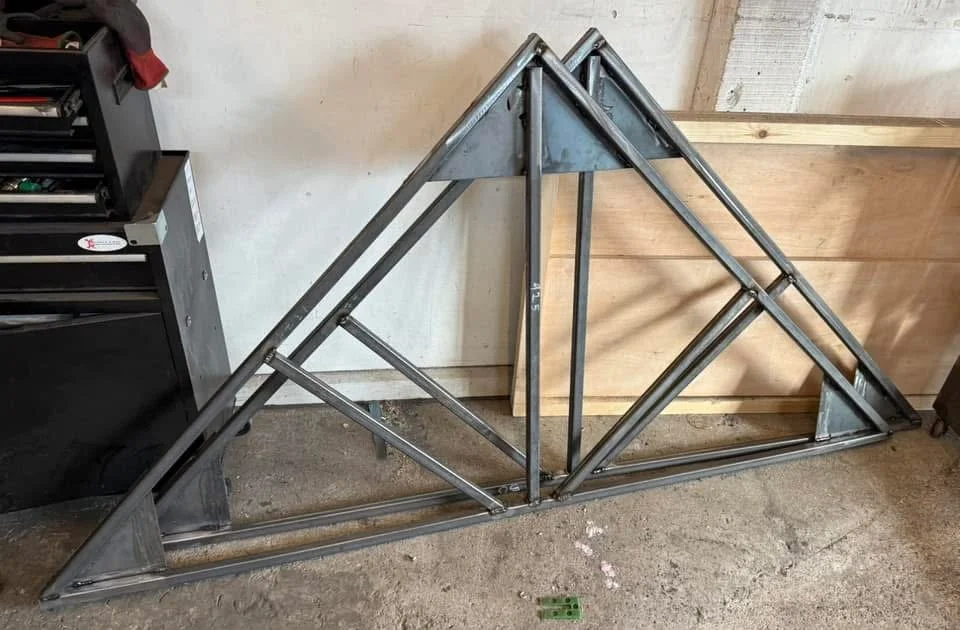
Beginner Welding Project
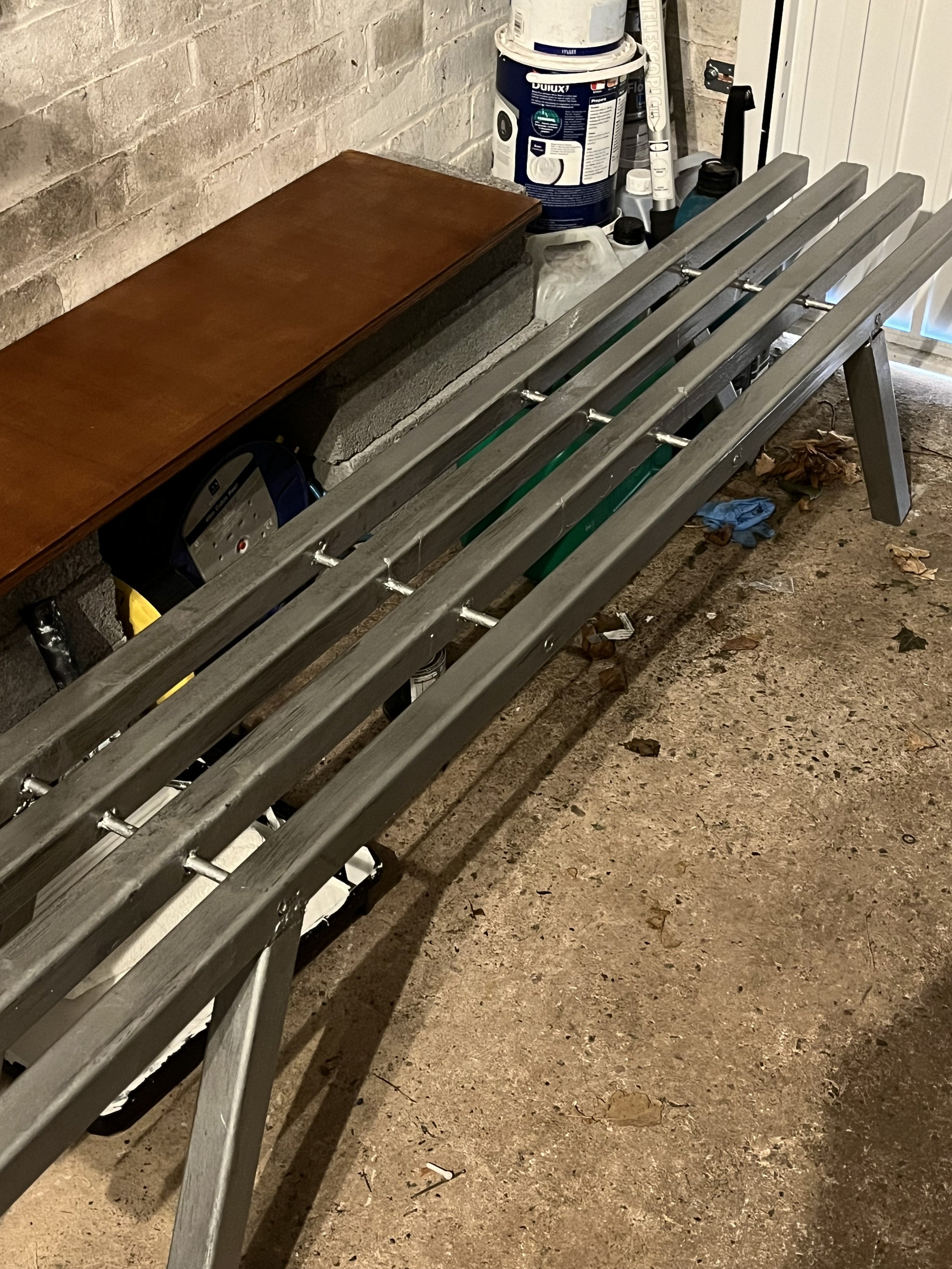
Welding project for the garden
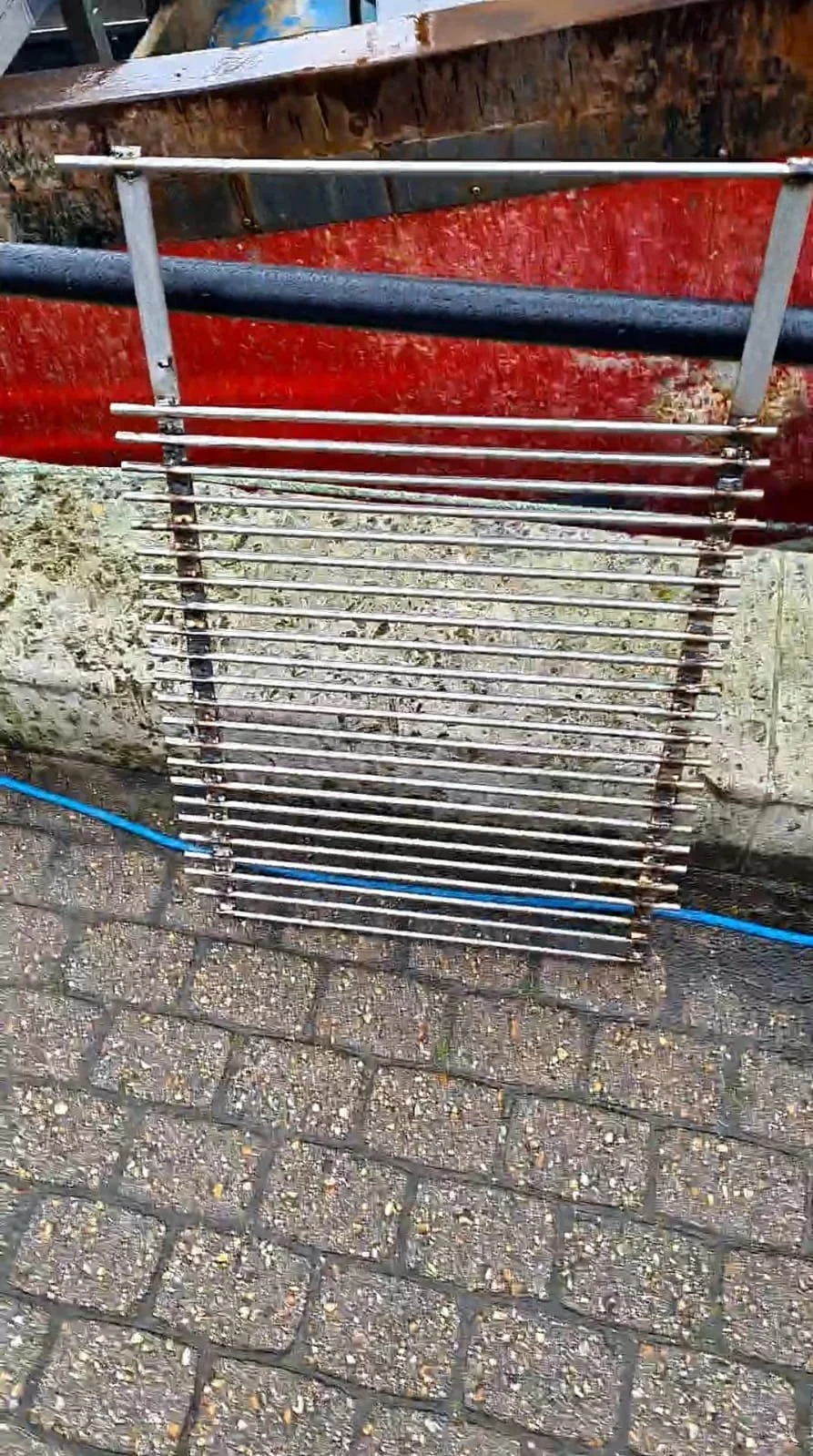
Starter welding project
People want to repair, make and build things. They want to work on cars and restoration projects, fabricate things for their home, tackle DIY jobs and turn their own ideas into something they can actually make from metal.
In our questionnaire, 71% of respondents said their main motivation was either repairing or building a vehicle, or carrying out DIY repairs and maintenance. At the same time, 62% described themselves as complete beginners.
That's an important combination. There is a large group of people who want to make practical use of welding but don't yet have the knowledge, skills or confidence to do it.
The problem isn't a lack of welding information. There is already an enormous amount available online. The challenge is turning that information into practical ability — choosing the right process, learning the correct technique, practising it and, crucially, understanding what to do when something isn't working.
Traditionally, that kind of guidance comes from an experienced instructor. But access to college courses, welding teachers and practical training isn't always available or suitable for someone who simply wants to learn at home.
At The Weld Space, we want to make expert welding knowledge, guidance and feedback more accessible to people learning from their own home or workshop. Instructional and demonstration videos are an important part of that, but watching someone else weld can only take you so far. To keep improving, you also need feedback on the welding you're actually producing.
That's where The Weld Space can help you.
Making welding education more accessible
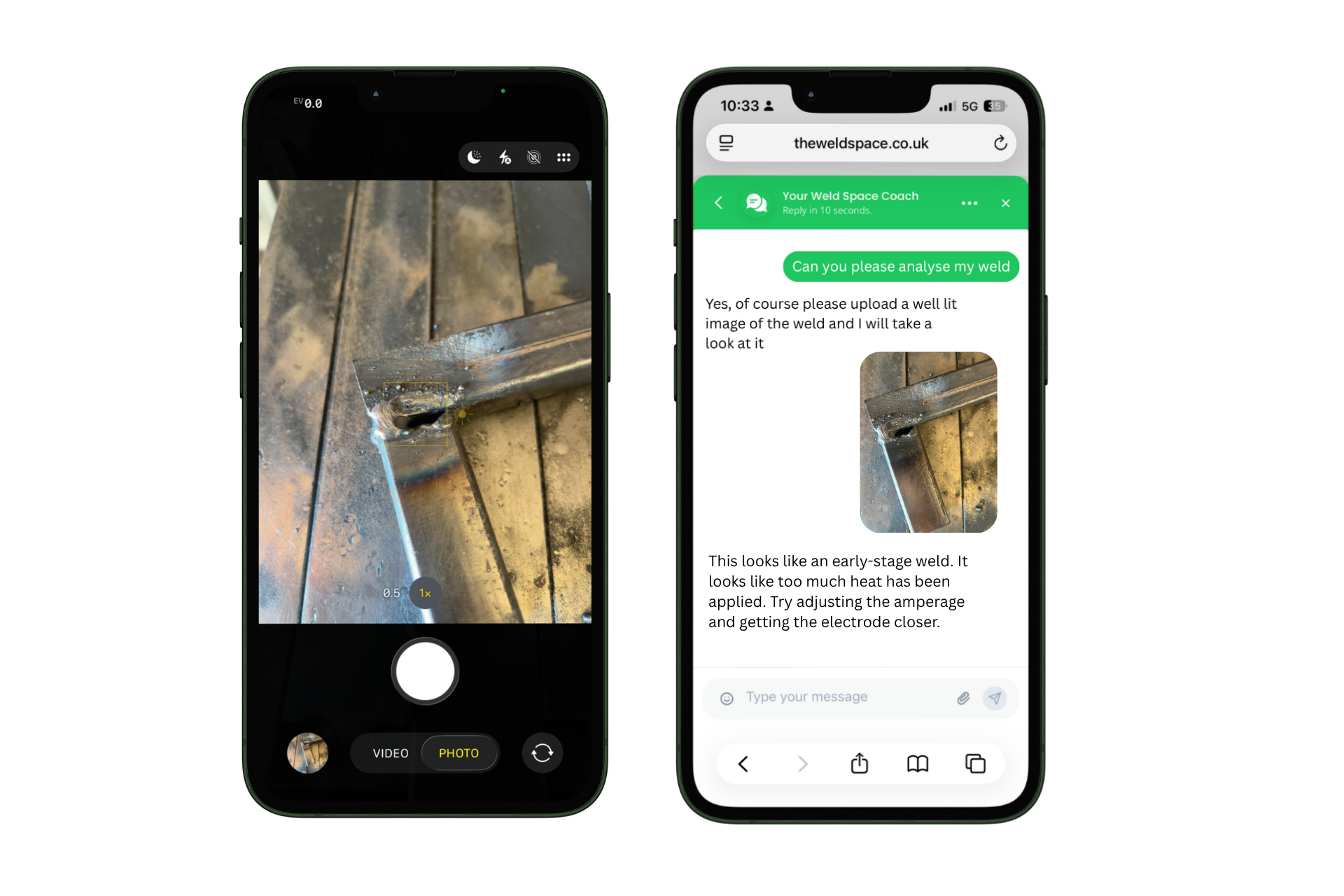
Rich the weld coach is available to use on your phone
Welding is an increasingly valuable skill, but learning how to weld isn't always straightforward. Traditional college courses are an important route for people looking for formal qualifications and a career in welding, but that level of training and commitment isn't necessarily the right fit for someone who simply wants to learn a new skill, restore a vehicle, make things or tackle their own repairs.
The alternative is often to teach yourself. Affordable welding machines have made it easier than ever to start welding at home, but learning from friends, YouTube videos and information across the internet it can quickly become confusing. You might learn how to set up a machine from one video and watch someone demonstrate a weld in another — but when you try it yourself and something goes wrong, who do you ask?
That's the gap we're trying to close with The Weld Space online Academy.
We've created our own welding curriculum specifically for beginners and combined it with conversational AI and computer vision to create a Virtual Welding Coach — giving learners access to personalised guidance and feedback while they're actually learning and practising at home. Our product, Rich the Welding Coach can answer questions, help with projects and provide feedback on photographs of the welds you're producing at home.
Can You Trust AI to Give Welding Feedback?
Using AI to answer a general welding question is one thing. Asking it to look at a weld you've produced and help you understand what to improve is something very different.
Trust, accuracy and the quality of the information behind the technology matter.
That's why Rich the Welding Coach hasn't been developed simply as a general-purpose question and answer coah. We've combined conversational AI, computer vision, our welding curriculum and a specialist dataset built around real examples of beginner welding.
Built on real beginner welding data
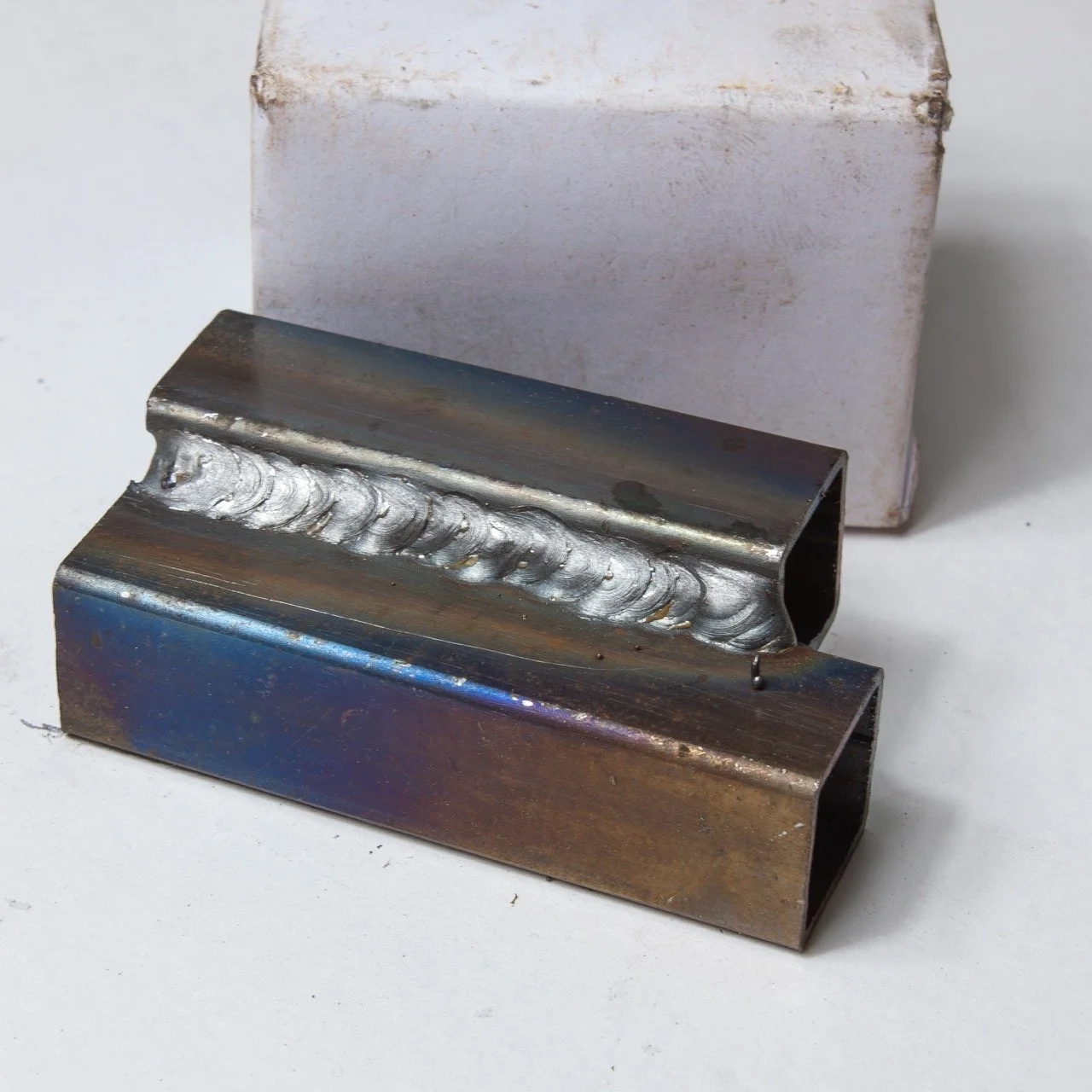
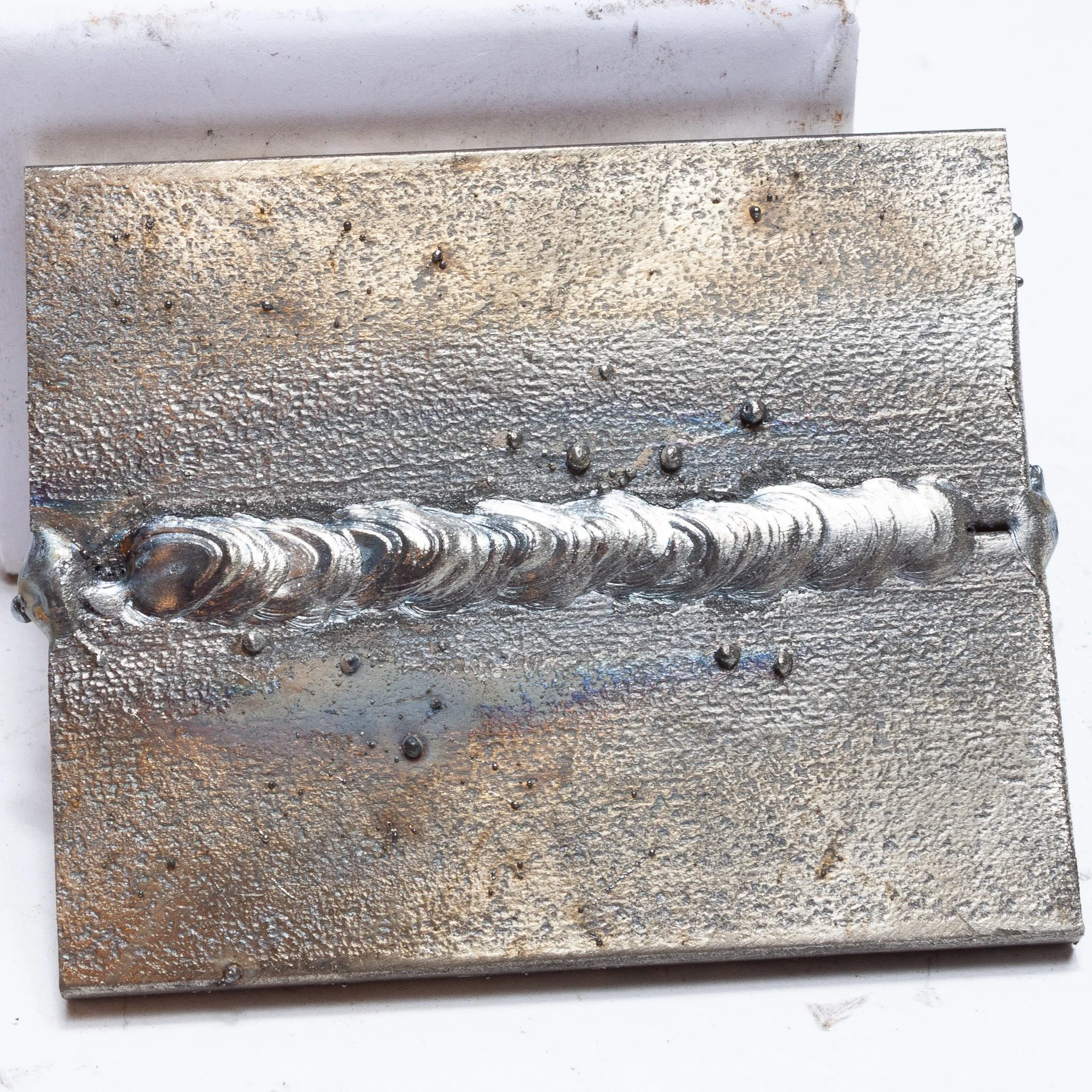
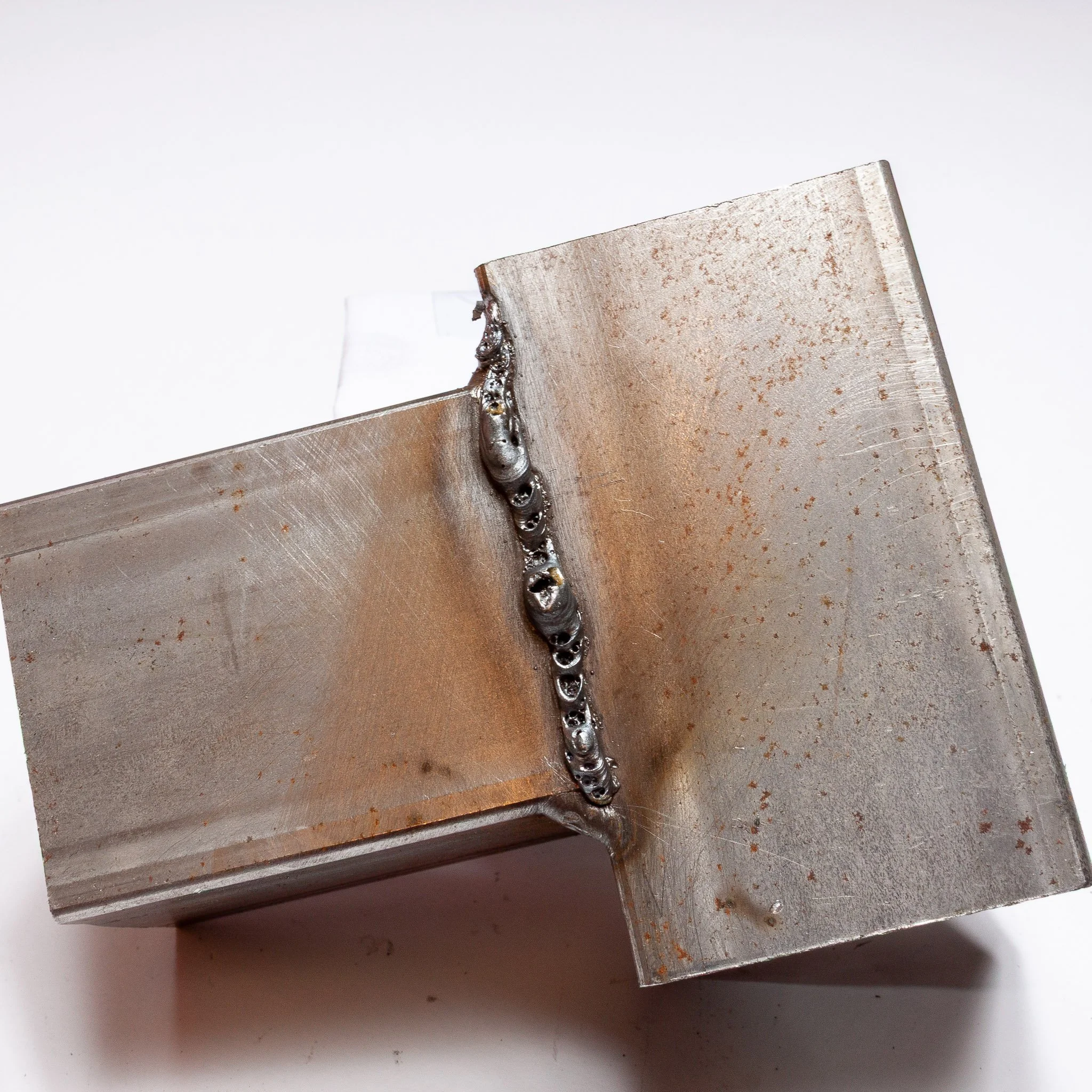
Over the course of teaching welding at our workshop. The Weld Space has created a dedicated image bank containing thousands of examples of beginner MIG, TIG and MMA welds.
Importantly, these aren't just photographs of perfect welds.
They include the kinds of welds people actually produce while they're learning — from successful examples through to inconsistent welds and examples showing common beginner problems.
We've used these images to develop a specialist dataset focused on the types of welds, characteristics and problems commonly seen when people are learning.
That matters because beginners rarely need another photograph of a perfect weld.
They need help understanding why their weld looks different.
Your Welding Questions Answered
Analysing a photograph of your weld is only one part of our product. The next challenge is helping you understand what that feedback means and what to do next.
Rich the Welding Coach uses advanced AI, including Large Language Model (LLM) technology, to allow learners to ask questions and receive guidance through a natural conversation. Rather than searching through pages of information, you can explain what you're working on, ask follow-up questions and explore a problem in more detail.
This technology is combined with The Weld Space's own educational material, welding knowledge and teaching methodology, developed through teaching hundreds of beginners.
So instead of only asking a general question such as:
“What causes porosity in a MIG weld?”
you can upload the weld you've just produced and continue the conversation:
“Why does my weld look like this?”
“Am I travelling too quickly?”
“Have I applied too much heat?”
“What should I change?”
“What should I practise next?”
The ability to ask follow-up questions is important. Welding problems don't always have a single answer, and beginners often need to understand why something is happening, not simply be given a definition of a welding fault.
By bringing visual analysis and Large Language Model technology together, Rich can help turn the feedback from your own welding into a conversation about how you can progress.
This moves AI beyond simply providing welding information and towards something much more useful for practical education: helping learners understand their own work, ask better questions and decide what to do next.
